Fauci Set for Senate Grilling as Pandemic Journal Fuels Fresh Questions
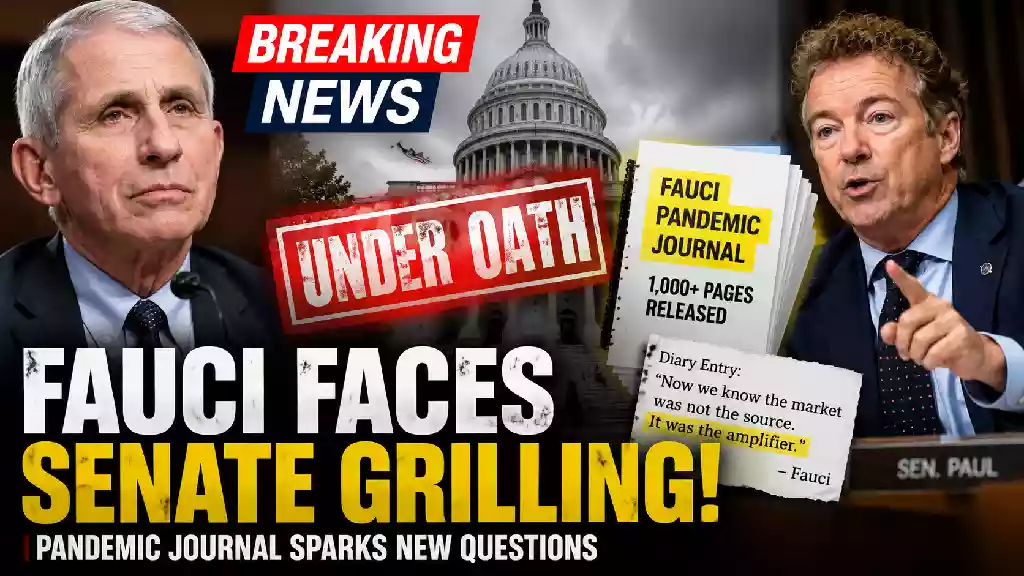
Dr. Anthony Fauci is set to testify before the Senate Homeland Security Committee as lawmakers examine his pandemic-era journal, COVID-19 response, and questions surrounding government transparency during the public health emergency.
Fauci Set for Senate Grilling as Pandemic Journal Fuels Fresh Questions
Anthony Fauci Faces Renewed Congressional Scrutiny Over COVID-19 Response
Former White House Chief Medical Adviser Dr. Anthony Fauci is set to appear before the Senate Homeland Security Committee as lawmakers revisit key decisions made during the COVID-19 pandemic. The hearing follows renewed attention surrounding more than 1,000 pages of Fauci’s pandemic-era journal released by Senator Rand Paul, with Republicans arguing the documents raise important questions about the government’s pandemic response and the ongoing debate over the origins of COVID-19.
The Senate hearing is expected to examine Fauci’s public statements, pandemic policies, and scientific assessments during one of the most challenging public health emergencies in modern history. Lawmakers are also expected to question him about research oversight, transparency, and lessons that could shape future pandemic preparedness.
Pandemic Journal Becomes Focus of Senate Hearing
Senator Rand Paul has argued that Fauci’s journal contains entries that deserve closer examination under oath. According to the released documents, one journal entry states that the wildlife market was “not the source” of the outbreak but rather an “amplifier,” while also noting that the virus jumped from animals to humans somewhere before spreading widely. Paul contends these remarks should be compared with Fauci’s previous public comments regarding the pandemic’s origins.
The question of where COVID-19 originated has remained the subject of scientific and political debate. The hearing is expected to revisit those discussions as senators seek additional clarification from Fauci regarding his understanding of the available evidence during the pandemic.
Lawmakers Seek Greater Accountability
Republican members of Congress have repeatedly stated that the hearing is intended to evaluate how federal officials communicated scientific information during the pandemic and whether Americans received complete and accurate information.
During interviews referenced in the source material, former Department of Justice Chief of Staff Chad Meisel argued that lawmakers should carefully examine Fauci’s journal alongside his public testimony. Meisel maintained that Congress has a responsibility to determine whether any inconsistencies exist and to ensure accountability from government officials involved in pandemic decision-making. These comments reflect Meisel’s views and are expected to be part of the broader political discussion surrounding the hearing.
Legal Obligations During Congressional Testimony
Another issue expected to receive attention is the legal responsibility of witnesses testifying before Congress.
According to statements cited in the source material, House Oversight Committee Chairman James Comer argued that any previous presidential pardon would not apply to future testimony if a witness knowingly provides false statements under oath. The discussion referenced federal law governing materially false statements made to Congress, emphasizing that witnesses remain legally obligated to provide truthful testimony during congressional proceedings.
Legal experts continue to debate broader constitutional questions surrounding presidential pardons, but the hearing itself is expected to focus on the accuracy of Fauci’s testimony and the issues raised by lawmakers.
COVID-19 Response Remains Politically Divisive
The hearing reflects the continuing political divisions over how the United States responded to the COVID-19 pandemic.
Republican lawmakers have criticized lockdowns, school closures, business restrictions, and other emergency measures, arguing that they imposed lasting economic and social consequences across the country. Democrats, meanwhile, have generally defended many of the public health decisions made during the pandemic, maintaining that officials relied on the best scientific information available at the time.
The differing perspectives are expected to shape much of the questioning as senators review the government’s handling of the pandemic and debate what changes, if any, should be implemented before the next national public health emergency.
Hearing Could Shape Future Pandemic Policy
Beyond the immediate political debate, the Senate hearing could influence future discussions about scientific transparency, government accountability, and public health policy.
Lawmakers are expected to examine how scientific advice was communicated to the public, whether existing oversight mechanisms are sufficient, and what reforms may be necessary to improve future emergency responses.
As Dr. Anthony Fauci prepares to testify before the Senate Homeland Security Committee, the hearing is likely to draw significant national attention while reopening debates over the government’s pandemic response, scientific decision-making, and public trust in federal institutions.
#AnthonyFauci #SenateHearing #COVID19 #RandPaul #Congress #PublicHealth #Pandemic #GovernmentAccountability #BreakingNews