Trump Breaks Silence on Reported Iran Threat in Turkey as Hormuz Crisis Intensifies
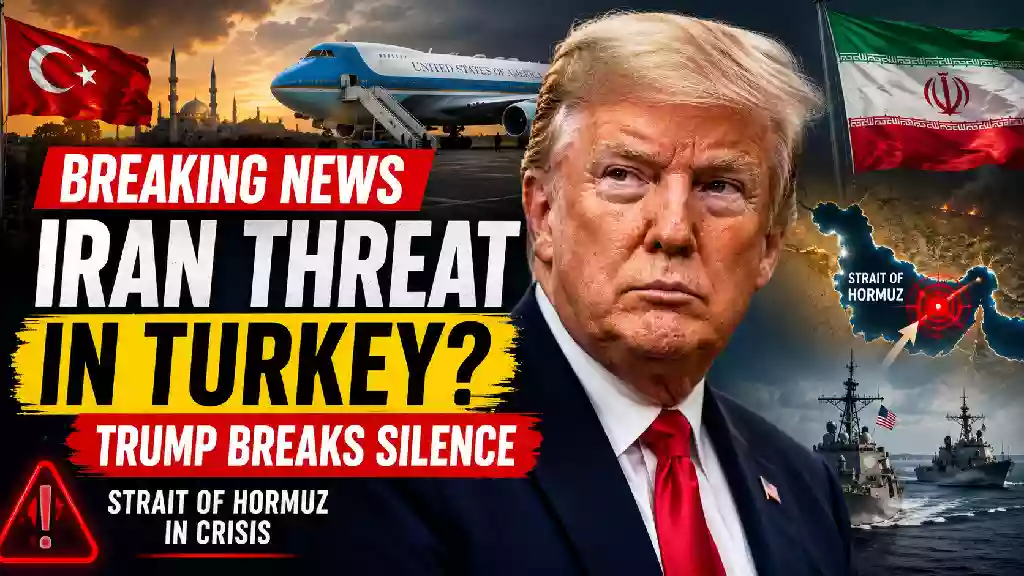
Donald Trump addresses a reported Iranian security threat during his visit to Turkey as tensions surrounding the Strait of Hormuz continue to escalate.
Trump Breaks Silence on Reported Iran Threat in Turkey as Hormuz Crisis Intensifies
Reported Threat Against Trump Draws Global Attention
Donald Trump has spoken publicly about a reported security threat that emerged during his visit to Turkey for the NATO summit, as the confrontation between the United States and Iran continues to escalate and uncertainty surrounding the Strait of Hormuz grows.
The reported threat has drawn international attention after intelligence allegedly provided by Israel warned the Trump administration about a potential danger to the president while he was in Turkey. According to the material provided, the intelligence reportedly included concerns that surface-to-air missiles could be used against Air Force One.
The report has not been independently confirmed by Fox News, making the distinction between the reported intelligence and verified facts particularly important.
Trump Explains Unusual Aircraft Change
Trump was questioned about why he was moved from Air Force One to another aircraft during his time in Turkey, reportedly using an airport catering truck during the transfer.
Trump said the decision was made by the Secret Service and military personnel responsible for his protection. He explained that officials wanted him to travel on a different plane because they considered it equally safe.
“I just follow what they’d like to do,” Trump said, according to the supplied report.
His comments indicate that the unusual transportation arrangement was part of a security decision made by his protection team. Trump did not publicly confirm the reported details of the alleged Iranian threat.
Iran and the Strait of Hormuz Remain at the Center of the Crisis
The security concerns surrounding Trump’s Turkey visit come as Washington and Tehran remain locked in a wider confrontation involving the strategically important Strait of Hormuz.
Indirect negotiations are reportedly continuing, but Iranian officials have demanded several conditions before agreeing to reopen the waterway. Those demands reportedly include unfreezing Iranian assets, providing compensation and ending the war.
The dispute over the Strait of Hormuz has become a major international concern because the waterway is an important route for global energy shipments. Restrictions on shipping have created additional pressure on an already volatile regional situation.
U.S. Military Action Raises the Stakes
Military tensions have also intensified in the Gulf of Oman.
According to the supplied material, U.S. forces disabled a Panama-flagged vessel after it allegedly ignored warnings connected to the ongoing naval blockade. CENTCOM said an MH-60 Navy helicopter fired two Hellfire missiles into the ship’s engine room.
The incident comes as diplomatic efforts continue to struggle. Iranian officials have maintained a defiant position, while officials in Israel are reportedly preparing for several possible scenarios in the days ahead.
The combination of military pressure, stalled negotiations and restrictions around the Strait of Hormuz has created a volatile environment with potentially significant consequences for the broader region.
Economic Pressure Mounts on Iran
Alongside military and diplomatic pressure, Iran is facing a severe economic challenge.
The supplied report cites sharp increases in the cost of essential goods, including an approximately 80% rise in inflation, a 150% increase in milk prices and a 190% increase in chicken prices. It also cites roughly 3 million lost jobs and a decline of about 20% in Iran’s currency.
The report attributes much of the economic pressure to restrictions affecting Iran’s ability to extract and export crude oil. Regional intelligence officials reportedly estimate that Iran is losing hundreds of millions of dollars each day as oil exports remain severely disrupted.
Civilian Impact Creates a Difficult Challenge
The economic strategy presents a difficult problem for U.S. policymakers because pressure intended to influence Iran’s leadership can also affect ordinary citizens.
The report says regional officials are concerned about protecting Iran’s civilian population from the effects of sanctions and economic pressure. More than 90 million people live in Iran, and rising food prices and shortages of basic necessities can have consequences far beyond the political leadership in Tehran.
That creates a complicated balancing act for Washington as it attempts to pressure Iranian officials while limiting the impact on civilians.
What Happens Next?
The standoff now centers on whether Iran will agree to negotiations that could eventually reopen the Strait of Hormuz and ease the broader confrontation.
International shipping data cited in the supplied material indicate that only about 10% of vessels that would normally transit the waterway are currently making the journey from the Persian Gulf toward the Gulf of Oman.
For Trump, the reported security threat in Turkey adds another dimension to an already dangerous confrontation. For Iran, continued economic and military pressure is increasing the stakes.
With diplomacy stalled, shipping severely disrupted and tensions continuing to rise, the next decisions by Washington and Tehran could determine whether the crisis moves toward negotiations or an even more dangerous escalation.
#DonaldTrump #Iran #StraitOfHormuz #Turkey #NATOSummit #IranCrisis #MiddleEastCrisis #USIran #TrumpNews #Geopolitics