Iran Rejects US Claims of New Nuclear Inspection Deal as Talks Face Fresh Uncertainty
Iran Rejects US Claims of New Nuclear Inspection Deal as Talks Face Fresh Uncertainty
Tehran Denies Reports of Expanded IAEA Access
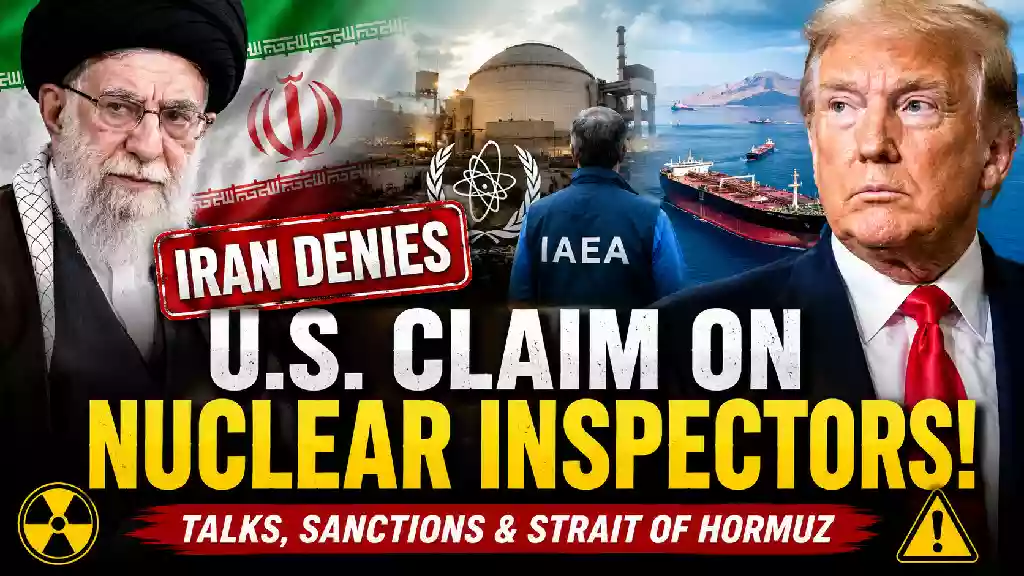
A new dispute has emerged between the United States and Iran after Iranian officials denied claims that Tehran had agreed to expanded international inspections of its nuclear facilities, raising fresh questions about the progress of ongoing negotiations between the two countries.
The disagreement follows comments from U.S. officials who suggested that Iran had accepted stronger oversight measures as part of a broader understanding aimed at addressing concerns over its nuclear program.
President Donald Trump has continued to emphasize that preventing Iran from obtaining a nuclear weapon remains a central objective of his administration’s diplomatic efforts. Speaking from the White House, Trump highlighted recent developments involving negotiations over Iran’s nuclear activities and security in the Persian Gulf.
Trump Highlights Progress on Strait of Hormuz
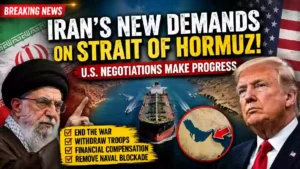
Alongside the nuclear issue, the administration has focused on maintaining freedom of navigation through the Strait of Hormuz, one of the world’s most important energy corridors.
Millions of barrels of oil pass through the strategic waterway each day, making its stability critical to global energy markets. Trump noted that oil shipments continue to move through the strait as negotiations proceed, describing the situation as a positive development for international trade and energy security.
The president also stated that his administration remains committed to ensuring that Iran does not acquire nuclear weapons while preserving stability throughout the region.
Conflicting Messages Over Nuclear Inspections
The latest controversy centers on comments made by Vice President J.D. Vance, who indicated that Iran had agreed to permit inspections by the International Atomic Energy Agency (IAEA) as part of ongoing diplomatic discussions.
Iranian officials quickly pushed back against those claims, stating that no new commitments had been made regarding nuclear inspections or monitoring arrangements.
The conflicting statements have created uncertainty about the current status of negotiations and whether both governments share the same interpretation of recent diplomatic exchanges.
Analysts note that verification and inspection mechanisms have long been among the most sensitive aspects of negotiations involving Iran’s nuclear program, making transparency a key issue for any future agreement.
Temporary Sanctions Relief Draws Scrutiny
Questions have also emerged regarding U.S. policy toward sanctions on Iran.
Recent reports indicate that temporary measures have been introduced to facilitate certain Iranian oil transactions while broader sanctions remain in place. Supporters argue that limited flexibility may help sustain diplomatic momentum and prevent disruptions in global energy supplies.
Critics, however, contend that easing restrictions before a final agreement is reached could reduce Washington’s leverage during negotiations.
Former U.S. Ambassador to NATO Kurt Volker expressed skepticism about the timing of any sanctions relief, arguing that Iran has historically used lengthy negotiations to secure concessions while delaying major commitments.
According to Volker, the United States should wait for verifiable actions before offering significant economic benefits.
Regional Security Challenges Remain
The nuclear dispute is unfolding against a backdrop of broader regional tensions.
While some reports indicate a reduction in clashes involving Israeli forces and Hezbollah, security concerns remain elevated across the Middle East. Recent attacks and military exchanges have underscored the fragile nature of regional stability.
U.S. officials continue to monitor Iran’s relationship with armed groups operating throughout the region, viewing these issues as closely connected to broader diplomatic efforts.
Experts say that any long-term agreement involving Tehran may eventually need to address not only nuclear concerns but also wider security challenges affecting neighboring countries.
Concerns Grow Over Future Shipping Restrictions
Attention is also focused on developments in and around the Strait of Hormuz.
Reports suggest that additional requirements are being introduced for vessels operating in nearby waters, including advance notification procedures and insurance-related measures.
Some analysts warn that such policies could eventually increase costs for international shipping companies and create additional friction between Iran and Western governments.
Given the strait’s importance to global oil exports, any changes affecting maritime traffic are likely to be closely watched by governments, energy producers, and financial markets worldwide.
Negotiations Enter a Critical Phase
As diplomatic discussions continue, both Washington and Tehran appear determined to defend their positions publicly while keeping channels of communication open.
The United States continues to seek strong verification measures and assurances regarding Iran’s nuclear activities, while Iranian officials maintain that no new inspection commitments have been accepted.
With global energy markets, regional security, and international diplomacy all tied to the outcome of the talks, the coming weeks could prove decisive in determining whether the two sides can move closer to a formal agreement or face renewed tensions.
#Iran #NuclearTalks #Trump #IAEA #MiddleEast #USIran #StraitOfHormuz #OilMarkets #BreakingNews #WorldNews