US and Iran Reportedly Near Agreement as Vance Says Sanctions Relief Depends on Compliance
US and Iran Reportedly Near Agreement as Vance Says Sanctions Relief Depends on Compliance
Negotiations Advance Toward Potential Iran Nuclear Framework
The United States and Iran are reportedly moving closer to a diplomatic agreement aimed at addressing concerns over Tehran’s nuclear program and reducing tensions in the Middle East. While officials have not released a finalized deal, reports suggest negotiators are making progress toward a framework that could lead to a temporary ceasefire and broader discussions on regional security.
According to statements from mediators involved in the talks, both sides may be nearing a formal agreement that would pave the way for technical negotiations in the coming weeks. Pakistan and Qatar have played key roles in facilitating communication between Washington and Tehran as efforts continue to prevent further escalation in the region.
The potential agreement comes after months of heightened tensions and military confrontations that have raised concerns among world leaders about the possibility of a wider conflict.
Vance: Economic Benefits Tied to Iranian Compliance
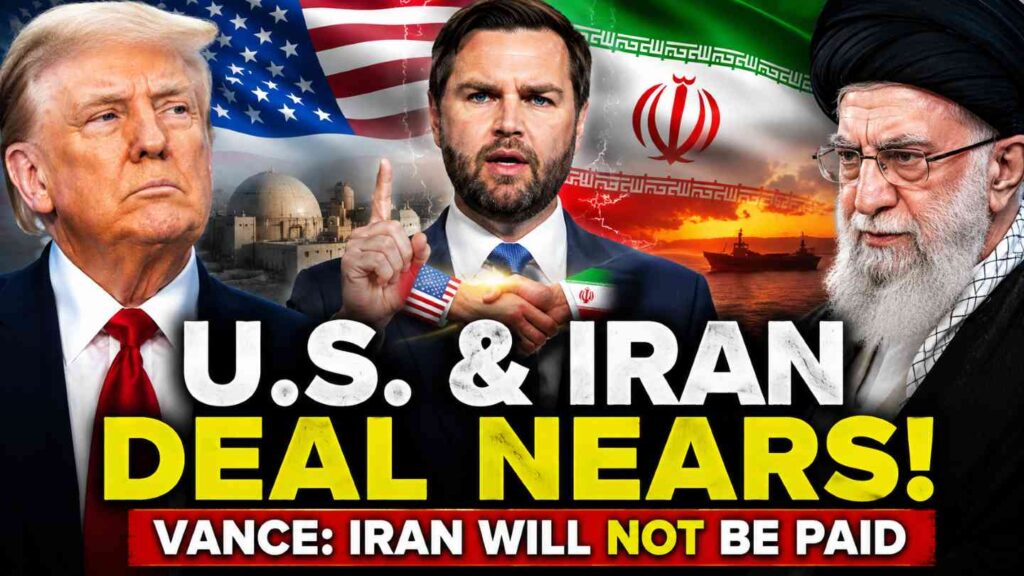
Vice President J.D. Vance emphasized that Iran would not receive immediate financial rewards simply for entering into an agreement. Instead, any economic benefits would reportedly depend on Tehran meeting specific obligations outlined in the proposed framework.
Speaking about the negotiations, Vance stressed that sanctions relief and access to frozen assets would be contingent upon verifiable actions by Iran. The administration’s position reflects a broader effort to ensure that commitments made during negotiations are followed by measurable results.
Supporters of this approach argue that linking economic incentives to compliance could help build confidence in the agreement while providing accountability throughout the implementation process.
Reported Terms Include Nuclear Restrictions and Regional Security Measures
While negotiators have not publicly released the full details of the proposed deal, reports indicate that an initial phase could involve a temporary ceasefire lasting approximately 60 days.
Under the reported framework, Iran would be expected to take several steps designed to address international concerns regarding its nuclear activities. These measures could include reducing or dismantling certain nuclear materials, transferring highly enriched uranium out of the country, and participating in enhanced monitoring procedures.
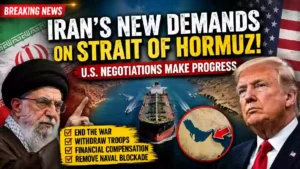
The agreement may also include provisions related to regional security and maritime stability, including efforts to ensure safe navigation through the Strait of Hormuz, one of the world’s most important energy shipping routes.
Officials caution that many details remain under discussion and that final implementation would depend on mutual agreement and verification mechanisms.
Military Options Reportedly Considered During Height of Tensions
As diplomatic efforts gained momentum, reports emerged suggesting that U.S. military leaders previously evaluated a range of contingency plans during the recent conflict.
According to media reports, senior defense officials reviewed possible strategies for securing Iranian nuclear materials should the situation deteriorate further. One reported option involved the deployment of ground forces to seize highly enriched uranium stockpiles.
However, reports indicate that President Donald Trump ultimately decided against pursuing such action due to concerns about potential retaliation, regional escalation, and risks to American personnel.
The reports have not been independently confirmed, but they underscore the complex decisions facing policymakers as they balance diplomatic and military considerations.
Regional Stability Remains a Key Objective
The emerging negotiations are being closely watched by governments across the Middle East and beyond. Supporters of the diplomatic effort argue that a successful agreement could reduce tensions, improve regional stability, and lower the risk of future military confrontations.
Energy markets are also monitoring developments closely. Any agreement that contributes to stability in the Strait of Hormuz could have significant implications for global oil shipments and international trade.
At the same time, analysts note that reaching an agreement is only the first step. Long-term success would depend on implementation, verification, and sustained cooperation between all parties involved.
International Attention Focuses on Next Phase of Talks
With negotiators reportedly approaching a breakthrough, attention is now turning to the next phase of discussions and the mechanisms that would govern implementation.
Questions remain regarding compliance standards, monitoring procedures, sanctions relief, and long-term security commitments. Nevertheless, the progress reported by mediators has fueled cautious optimism that diplomacy may provide a path forward after months of uncertainty.
If finalized, the agreement could represent a significant development in U.S.-Iran relations and a major moment in ongoing efforts to address nuclear concerns through negotiation rather than military confrontation.
#IranDeal #USIranTalks #JDVance #DonaldTrump #NuclearNegotiations #MiddleEastNews #ForeignPolicy #GlobalSecurity #Diplomacy